Wimbledon Common front garden plan by local gardeners
Posted on 18/10/2026
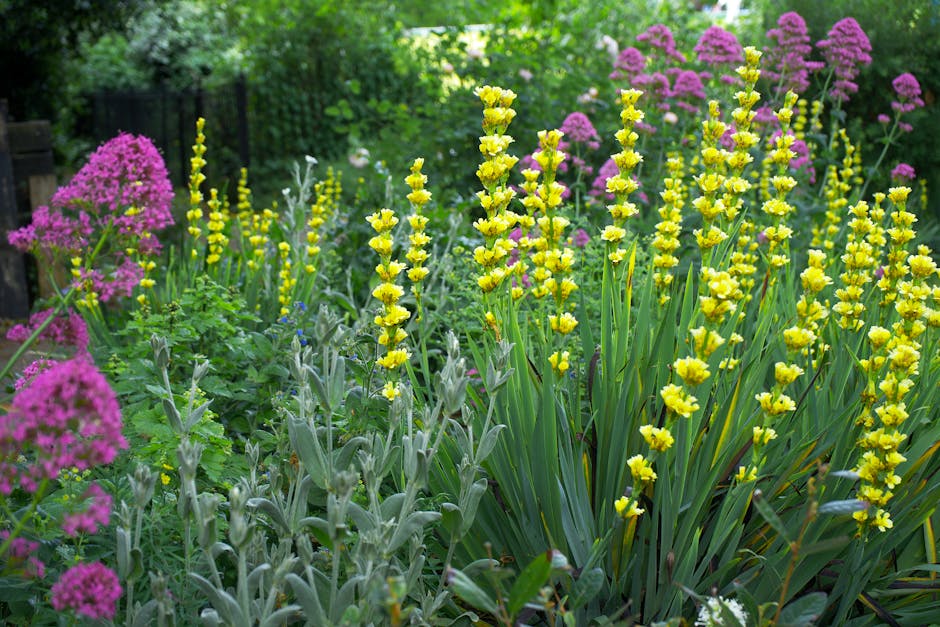
Wimbledon Common Front Garden Plan by Local Gardeners
If your front garden feels more like a tired walkway than a proper welcome, you are not alone. A good Wimbledon Common front garden plan by local gardeners does more than make the house look nicer; it helps the space work harder for privacy, drainage, kerb appeal, and day-to-day ease. In a place like Wimbledon Common, where homes often sit close to busy roads, breezy corners, shaded boundaries, or narrow plots, the difference between "fine" and "well planned" can be surprisingly big.
Local gardeners tend to think in practical layers: what the front garden needs to do, what the space can realistically support, and what will still look good in six months rather than only on day one. That is really the point here. You want a plan that suits the property, the light, the soil, and your lifestyle. Not a magazine fantasy. A useful one.
Below, you will find a clear guide to planning, planting, and maintaining a front garden that feels tidy, resilient, and genuinely suited to Wimbledon Common homes.
Why Wimbledon Common front garden plan by local gardeners Matters
A front garden is not just a decorative strip between the pavement and the front door. It is the first bit of the property people see, the space that frames the house, and often the one that has to deal with the most abuse. Foot traffic, road dust, dogs, shade from neighbouring trees, and that classic London combination of wind one hour and drizzle the next. Lovely.
Local gardeners bring value because they understand the conditions that shape gardens near Wimbledon Common. They know that the same planting scheme can behave very differently depending on shelter, aspect, and how much root competition is happening beneath the surface. A plan that works in one garden may collapse in another if the soil drains badly or the border gets blast-furnace sun by afternoon.
That is why a proper front garden plan starts with observation, not shopping. The best gardeners will walk the space, notice where water sits after rain, assess the path from gate to door, and ask what you want the garden to do. Need privacy? Safer access? A softer entrance? Somewhere for pots and seasonal colour? Those answers shape the design.
If you want to go deeper into planting style ideas, it can also help to look at tropical planting ideas for compact urban spaces or practical ground-cover planting options for UK gardens. Different articles, same useful principle: choose plants that suit the site rather than fighting it.
How Wimbledon Common front garden plan by local gardeners Works
In practice, a front garden plan is a sequence of decisions. The site is assessed, the priorities are ranked, and then the layout is built around the things that matter most. A local gardener usually starts by separating the area into zones:
- Access zone for the path, steps, bins, bikes, or a pram.
- Structure zone for hedging, edging, low walls, or screening.
- Planting zone for beds, borders, pots, and seasonal interest.
- Maintenance zone for anything that needs regular cutting, watering, or clearing.
That sounds simple, but it stops the garden becoming a cluttered afterthought. A smart plan also considers whether you need privacy from passers-by, resilience against strong wind, or a low-maintenance setup because you do not want a complicated front garden dominating your weekends.
Many local gardeners also think in terms of layers. At the back, something structural. In the middle, shrubs or medium-height planting. At the front, low edging, bulbs, or ground cover. This layering gives the garden shape, even when flowers are not in bloom. It also makes a modest space feel more deliberate.
And yes, there is a timing element too. Some work is best done in late autumn or early spring, while other tasks can happen almost any time. If the front garden needs more than a tidy-up, a gardener will often phase the work so the space remains usable. Nobody wants to stare at a half-finished entrance for three weeks. Not ideal.
Key Benefits and Practical Advantages
The main benefit of a front garden plan is that it stops decisions being made on the fly. Instead of buying plants because they looked cheerful in a tray at the garden centre, you get a scheme with a purpose. That usually means fewer replacements, less waste, and better long-term results.
Here are the practical wins local gardeners aim for:
- Better kerb appeal without making the front of the house look overdone.
- More privacy where the frontage is exposed to the street.
- Cleaner circulation from gate to door with less mud and clutter.
- Lower maintenance through sensible plant choices and tidy edging.
- Stronger seasonal interest so the garden looks good in winter as well as summer.
- Improved biodiversity through pollinator-friendly or mixed planting.
A well-planned front garden can also soften hard materials. Brick, concrete, railings, and fencing all feel less severe when balanced with planting. If you are considering a structural element as part of the plan, there is useful context in privacy-boosting hedge varieties and fencing options that support the garden boundary.
Another advantage is resale perception. That does not mean turning the front garden into a sales pitch. It means creating a space that feels cared for. A neat entrance, healthy planting, and a clear path make a house look settled and well maintained. People notice. They always do.
Who This Is For and When It Makes Sense
This kind of plan makes sense for a few different people. First, homeowners whose front garden is a bit awkward: too narrow, too shaded, too open, or just plain underused. Second, people who know they want a nicer entrance but do not know where to start. Third, anyone replacing failed planting after years of patchy maintenance.
It is also a very sensible move if the front garden has one of these problems:
- It gets walked through and trampled.
- The soil is tired, compacted, or full of rubble.
- The space feels exposed to neighbours or the road.
- There is poor drainage after heavy rain.
- You need a garden that works for a busy family, a pet, or older residents.
To be fair, a front garden plan is not just for big budgets. A modest scheme with a few well-chosen shrubs, some tidy mulch, and a good path can make a huge difference. You do not need a full redesign every time. Sometimes the right move is simply editing what is already there.
If the garden has gone past "tired" and into "needs serious help," a local team may suggest a wider refresh through landscaping support or a staged garden tidy-up using garden makeover ideas for neglected spaces.
Step-by-Step Guidance
Here is the simplest way to approach the plan without overcomplicating it.
- Measure the space properly. Note width, depth, slope, and where the main light falls during the day.
- List the real priorities. Privacy, low maintenance, pet safety, drainage, colour, or better access.
- Check the existing conditions. Is the soil sandy, heavy clay, dry, shaded, windy, or root-bound?
- Decide the structure first. Path, edging, steps, wall, hedge, fence, or retaining feature.
- Choose the planting style. Formal, relaxed, cottage-style, evergreen, wildlife-friendly, or mixed.
- Pick plants that suit the site. This is where local knowledge really pays off.
- Plan maintenance from the start. If you do not want weekly jobs, do not build a weekly-job garden.
- Install in the right order. Hardscape first, soil improvement second, planting third, finishing touches last.
A useful rule: if a front garden needs both privacy and structure, build the structure before adding lots of colour. A hedge or climber can shape the whole feel of the frontage, and then smaller plants can do their work around it. For shady spots, evergreen climbers for shade can be surprisingly effective when used carefully.
One more thing. Soil preparation matters more than many people expect. A decent-looking planting scheme can still fail if the bed is shallow, compacted, or full of old builder's waste. Improving the growing medium before planting is boring, yes, but boring in the best possible way. It saves a lot of grief later.
Expert Tips for Better Results
Local gardeners tend to make a few decisions that separate a decent front garden from a really polished one.
- Repeat shapes and materials. If your path is straight, keep the edging calm and consistent. If the house is soft and period-style, avoid over-fussy geometry.
- Use evergreen structure. In the front garden, winter matters. Evergreen shrubs, hedging, or clipped forms stop the space looking bare in January.
- Keep the lowest layer tidy. Front gardens look best when the edges are crisp. It sounds minor, but neat edging changes everything.
- Mix texture, not just colour. Glossy leaves next to fine foliage, or upright shapes beside mounded plants, often reads better than a riot of unrelated flowers.
- Leave breathing room. Overplanting is a classic mistake. Plants grow. They really do.
If wind is an issue around your property, choose stems and shrubs that can cope rather than fight the conditions. A good read on that subject is how to defend a garden against persistent wind gusts. For broader planting resilience, keeping your garden thriving despite fierce weather is also worth a look.
And here is a slightly old-fashioned but true bit of advice: step back from the gate and look at the front garden from the pavement. If it feels busy from that angle, it will feel busier once planting fills out. That little habit saves a lot of redesigns.
Common Mistakes to Avoid
Front gardens fail for familiar reasons. Not dramatic reasons. Just the kind of practical slips that creep in when a plan has not been thought through properly.
- Choosing plants only for colour. Seasonal colour is great, but the plant also needs to survive the site.
- Ignoring the drainage. Waterlogged beds lead to unhappy roots and constant patching.
- Leaving no clear path. A front garden still has to work as an entrance.
- Using too many species. Too much variety can look messy fast, especially in smaller spaces.
- Forgetting maintenance access. If you cannot reach the back of a bed, weeds and dead material tend to take over.
- Planting too close to windows, railings, or the front door. It may look fine on day one and then feel cramped by month six.
There is also the temptation to overdo "instant transformation" methods. Fast-growing climbers, large shrubs, and aggressive ground cover can be useful, but they need control. If you are battling an existing issue, such as invasive ivy, it is better to sort that first with something like long-lasting ivy eradication methods before layering new planting over the top.
Truth be told, some of the messiest front gardens are not neglected; they are overplanned. Too many pots, too many colours, too many styles. The eye never gets a rest.
Tools, Resources and Recommendations
You do not need a truckload of specialist kit, but the right tools make the work cleaner and safer. For most front garden projects, local gardeners rely on the basics: spades, forks, secateurs, shears, edging tools, a wheelbarrow, soil improvers, mulch, and sometimes a compact saw for stubborn roots or older growth.
If you are planning to do some of the work yourself, useful starting points include essential gardening gear and beginner-friendly gardening tips. They help you avoid buying tools that look impressive but never leave the shed.
Planting choices are just as important as tools. For compact or awkward front gardens, container planting can create flexibility while you decide on the permanent layout. You may find container gardening for tiny spaces useful if your frontage is narrow or temporary changes are needed first.
Recommended practical add-ons for a front garden plan often include:
- Mulch to reduce weeds and keep moisture in the soil.
- Low-maintenance evergreens for year-round structure.
- Hedges or screening plants where privacy matters.
- Climate-appropriate ground cover to soften exposed areas.
- External lighting if the path feels dark at dusk.
If you want a more relaxed style, there are also good ideas for a peaceful outdoor garden feel and comfortable seating arrangements when the front garden is large enough to hold a small sitting area. Not every front garden needs chairs, of course, but when there is room, it can make the space feel surprisingly inviting.
Law, Compliance, Standards, or Best Practice
Front gardens can involve practical boundaries, and it is wise to keep them neat from a compliance and neighbourly point of view. In the UK, front garden changes may be affected by property boundaries, shared access, planning considerations, and local rules if you are altering hard surfaces or boundaries in a significant way. If a design seems to go beyond simple planting or tidying, it is sensible to check before work begins.
There are also safety considerations that responsible gardeners take seriously. Good practice includes:
- working safely around paths, steps, and slopes;
- using appropriate protective equipment for cutting, digging, and lifting;
- handling chemicals or treatments carefully, if they are used at all;
- keeping front access clear during work;
- making sure waste is removed responsibly.
For more detail on professional standards and working practices, it is worth reviewing pages such as insurance and safety and health and safety policy. These matter more than people think, especially where tools, ladders, or heavier materials are involved.
There is also a customer-trust side to this. Transparent pricing, clear expectations, and a fair complaints process all help the project feel orderly from start to finish. A garden job should not turn into guesswork. Nobody needs that sort of excitement.
Options, Methods, or Comparison Table
Different front gardens need different approaches. Here is a simple comparison to help you decide which style fits best.
| Approach | Best for | Pros | Trade-offs |
|---|---|---|---|
| Low-maintenance planting | Busy households, smaller budgets, minimal upkeep | Easy to manage, tidy year-round, cost-effective | Can feel less seasonal if not layered carefully |
| Privacy-led design | Exposed frontages, street-facing properties | Creates shelter, softens views, improves comfort | Needs good plant choice and periodic trimming |
| Feature-led design | Homes that want a strong visual identity | Memorable, polished, gives the house character | Can need more maintenance and a bigger budget |
| Eco-friendly planting | Wildlife-minded owners, resilient gardens | Supports biodiversity, often hardy and adaptable | May look looser or less formal if not designed carefully |
| Mixed structural plan | Most Wimbledon Common homes | Balanced, practical, adaptable to changing needs | Needs thoughtful planning to avoid clutter |
In many cases, a mixed structural plan is the safest bet. It gives you privacy, order, and visual interest without forcing the garden into one rigid style. That balance is especially helpful in front gardens, where the space has to work for the house rather than compete with it.
Case Study or Real-World Example
Consider a fairly typical Wimbledon Common frontage: a modest front drive, a narrow strip of soil along the path, a slightly shaded corner near the wall, and a view straight from the pavement to the front door. The owners want the place to look less exposed, but they do not want a high-maintenance jungle. Sensible request, really.
The first step was to clear out tired planting and thin, woody bits that were not contributing anything. The existing soil was improved with compost, and the border was reworked into a simple layered scheme. Low evergreen structure was added near the back of the bed, a few medium shrubs were placed for body, and the front edge was softened with ground cover so weeds had fewer gaps to exploit.
Because the boundary felt too open, a tidy hedge line was introduced, trimmed to keep sightlines safe without making the frontage feel closed in. That gave the garden a bit more calm straight away. The final touch was a series of pots near the entrance for seasonal interest, which meant the front of the house looked cared for even in quieter months.
Nothing dramatic, just a thoughtful sequence of small improvements. And that is often the real story with front gardens. A few good decisions, made in the right order, do more than one flashy overhaul.
Practical Checklist
Use this before starting or briefing a gardener.
- Measure the front garden and note the main features.
- Identify sun, shade, wind, and drainage patterns.
- Decide whether privacy, low maintenance, or kerb appeal is the top priority.
- Check if the path, steps, or entrance need improving first.
- Assess whether the soil needs clearing or conditioning.
- Choose a planting style that matches the house.
- Keep the number of plant types manageable.
- Plan for year-round structure, not just summer colour.
- Allow enough space for maintenance access.
- Consider hedge trimming or boundary work if the frontage is exposed.
- Think about long-term upkeep, not just the first season.
- Review safety, insurance, and any relevant property considerations before work begins.
Expert summary: A strong front garden plan is usually simple at heart: clarify the purpose, build the structure, choose plants that suit the site, and leave room for maintenance. Do that well, and the garden stops being a problem and starts being an asset.
If the plan is heading toward a full refresh, many homeowners find it helpful to compare it with wider gardening services in Wimbledon or ongoing garden maintenance support so the new layout stays looking sharp.
Conclusion
A Wimbledon Common front garden plan by local gardeners should feel tailored, not generic. The best results come from reading the space properly, working with the conditions, and making design decisions that support both the house and the people using it. In front gardens especially, less can be more, but only if what remains is well judged.
Whether you want privacy, a softer entrance, better structure, or just a front garden that no longer feels like an afterthought, the right plan can transform the space without turning it into a maintenance burden. That balance is the sweet spot. Honest, practical, and a bit more beautiful every season.
If you are ready to move from rough idea to proper plan, speak with a local team that understands Wimbledon Common gardens and the way they behave through the year. A good start usually saves time later, and sometimes a fair bit of money too.
Get a free quote today and see how much you can save.

With his wealth of experience in gardening, Alex possesses the ability to create informative articles on landscaping, lawn care, and garden maintenance, helping numerous individuals in realizing the garden they've been longing for.