Merton Council garden waste rules and gardeners responsibilities
Posted on 19/11/2026
If you garden in Merton, you quickly learn that tidy borders and healthy planting are only half the job. The other half is disposal. Merton Council garden waste rules and gardeners responsibilities matter because the way you handle clippings, soil, branches, and green bags can affect collections, neighbour relations, fly-tipping risk, and even the smooth running of your maintenance work. Miss a small detail and suddenly a simple prune turns into a messy problem.
In practice, most gardeners want the same thing: a clean, compliant way to deal with waste without overcomplicating the day. This guide explains the basics in plain English, shows where responsibility usually sits, and gives you a sensible process for staying on the right side of local expectations. We will also look at common mistakes, useful working methods, and where garden services fit into the picture. Not glamorous, maybe, but very useful.

Why Merton Council garden waste rules and gardeners responsibilities Matters
Garden waste sounds straightforward until you are standing beside a half-full trailer, a pile of hedge cuttings, and a neighbour who is already less than thrilled about overhanging branches. Then the rules suddenly matter a lot.
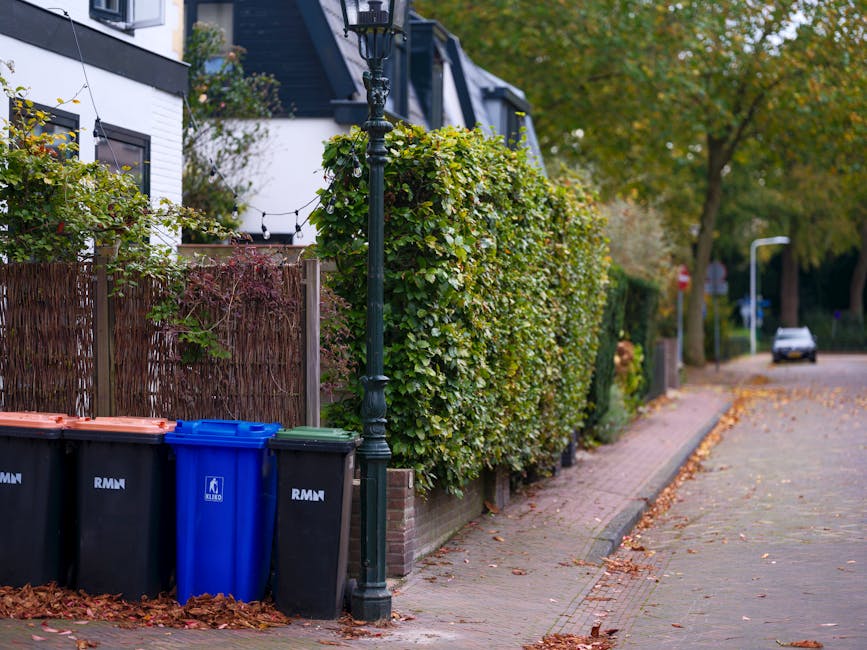
For householders, the main reason to care is simple: local collection systems and disposal expectations are designed to keep streets clean and reduce contamination. For gardeners, the responsibility is broader. You are not just tidying a garden; you are handling a waste stream that needs to be sorted, stored, moved, and presented properly. That means knowing what counts as green waste, what must be kept out of it, and who is responsible for removing it after a job.
The bigger picture is just as important. Poor disposal can lead to:
- missed collections or rejected bags
- spreading weeds, pests, or diseased plant material
- blocked paths, messy front gardens, and complaints
- avoidable extra charges for labour or removal
- fly-tipping if waste is dumped unofficially
Truth be told, a lot of garden disputes start with waste rather than planting. A tidy finish shows care. It also shows professionalism, which matters whether you are a homeowner, tenant, landlord, or a gardener working on a regular maintenance schedule. If you want the planting side of your garden to thrive as well, it is worth pairing good disposal habits with practical routines like turning organic material into soil where appropriate and safe.
How Merton Council garden waste rules and gardeners responsibilities Works
At a basic level, garden waste management is about separating organic material from general rubbish and presenting it in the way the local system expects. That may sound dry. It is. But it is also the difference between a smooth collection and a bag left behind in the rain.
Garden waste usually includes things like grass cuttings, hedge trimmings, leaves, small twigs, dead plants, and weeds. It can also include soil in limited, practical quantities depending on the disposal route, but bulky soil, rubble, treated timber, and mixed rubbish are a different matter. Once waste is mixed with non-organic material, it often stops being suitable for standard green-waste handling.
Responsibility typically sits with the person organising or carrying out the work. If you are the homeowner and you have arranged the gardener, you should be clear about what happens to arisings. If you are the gardener or contractor, you should confirm in advance whether waste is being left in bags, moved to a designated area, composted onsite, or taken away offsite. No guessing. Guessing is where things go sideways.
Good practice usually looks like this:
- Separate green waste from general waste at the point of cutting.
- Keep soil, stones, plastic ties, pots, and synthetic materials out of the waste pile.
- Store waste safely so it does not block access or create a trip hazard.
- Use the correct container, bag, or collection method.
- Confirm who is responsible for final disposal before the job starts.
If the work includes tree branches, thick woody material, or larger clearance, there may be a need for specialist handling. That is where services such as tree surgery in Wimbledon can become relevant, especially when safety, access, and volume start to matter more than a standard tidy-up.
And yes, it can be a bit of a faff when you are doing a big seasonal cutback in autumn. But a simple system makes it manageable.
Key Benefits and Practical Advantages
Following the rules properly is not only about avoiding trouble. It also makes garden work cleaner, quicker, and less stressful.
| Approach | Main benefit | Typical downside |
|---|---|---|
| Leave waste mixed together | Quick in the moment | Often messy, harder to recycle, can cause rejected collection |
| Sort green waste onsite | Cleaner finish and easier removal | Takes a little more time upfront |
| Compost suitable material | Reduces disposal volume and supports soil health | Not suitable for all waste, needs space |
| Arrange professional removal | Saves time and handles volume | Usually involves a service cost |
One of the biggest advantages is predictability. When waste is sorted properly, you can plan the day. You know what is being left, what is being moved, and how much labour is needed. That matters for repeat maintenance visits as well as one-off clearances.
There is also a real aesthetic gain. A garden that is cleared properly looks finished. Even a small terrace garden can feel calmer after a tidy sweep and a careful load-out. If you are working with limited space, ideas from container gardening for tiny spaces can reduce waste-heavy digging and make maintenance far more manageable.
For homeowners, compliance reduces the risk of council issues or neighbour complaints. For gardeners, it helps you look organised and trustworthy. For landlords and property managers, it supports a clear duty-of-care approach. Everyone wins, really.
Who This Is For and When It Makes Sense
This topic is relevant to more people than you might think. Garden waste rules are not just for big landscaping jobs or full garden renovations. They apply to routine maintenance too.
You will benefit from understanding the rules if you are:
- a homeowner arranging regular garden upkeep
- a tenant with responsibility for a private garden
- a landlord maintaining outdoor space between tenancies
- a professional gardener working across Merton homes
- a property manager handling communal grounds
- a DIY gardener doing seasonal cutbacks or clearance
It makes the most sense to deal with the rules before work begins, not after the pile has grown. That is especially true for hedge reduction, pruning, and lawn renovation, where the waste can stack up quickly. For example, if you are planning structural trimming, it helps to think ahead about the finished shape and the aftermath. A useful companion read is hedge trimming techniques, which shows why neat cuts and careful disposal usually go hand in hand.
Sometimes the need is obvious. A lawn scarified in spring produces far more material than expected. Other times it sneaks up on you. One hour of pruning in late afternoon can leave a front path covered in leaves, and by the time you have swept up, the bags are full. That is when having a plan saves you a second trip to the shed and a mildly annoyed face, which nobody needs.
Step-by-Step Guidance
If you want a simple working method, use this approach. It is practical, calm, and easy to repeat.
- Identify the waste type. Separate grass, leaves, cuttings, woody stems, soil, and any non-organic material before you start bagging.
- Check the destination. Decide whether the waste is being composted onsite, collected by a service, or placed out for a local collection method.
- Prepare the containers. Use the right sacks, bins, or bundles. Overfilled bags split. They always do, usually at the worst moment.
- Keep hazardous or non-green items out. No plastic, metal, treated timber, broken pots, or household rubbish mixed in with the garden waste.
- Store safely. Keep bags where they will not block footpaths, drains, gates, or access routes.
- Label responsibilities clearly. If multiple people are involved, make sure everyone knows who is disposing of what.
- Finish with a site check. Look for stray cuttings, loose compost, or hidden debris before you leave.
For larger jobs, it also helps to think in zones: lawn area, beds and borders, hedge line, and hard landscaping edges. That is a useful way to avoid hauling waste around twice. If the task is part of a bigger maintenance visit, services like garden maintenance Wimbledon can keep the whole routine coherent rather than patchy.
One small but important tip: never leave it until the next day if you can avoid it. Damp cuttings get heavier, smell a bit earthy, and become harder to move. In a London garden after rain, they can feel twice the weight. Not fun.
Expert Tips for Better Results
Once you have the basics in place, a few professional habits make the whole process cleaner and less wasteful.
- Cut smart, not just often. A lighter, more frequent trim produces less waste than a harsh cutback done once in a blue moon.
- Compost what is suitable. Soft green material, leaves, and small clippings are often useful additions if you are managing a compost area responsibly.
- Watch for invasive material. Persistent weeds and woody climbers can spread if dumped carelessly. If ivy is part of the problem, it is worth understanding how long-lasting ivy eradication works before you start hauling debris around.
- Work in dry weather when possible. Dry waste is lighter and easier to sort.
- Keep a "do not mix" container. This is handy for ties, labels, plant pots, and random bits that turn up during a clearance.
- Think about access first. If the waste has to pass through a narrow side return or shared path, plan the route before you begin.
There is also a quieter benefit to better waste handling: it improves the health of the garden itself. Less mess means less disease carryover, fewer pest hiding spots, and a more stable soil surface. If your work involves reshaping beds or refreshing borders, pairing waste discipline with planting choices from ground cover planting ideas can reduce future clean-up.
Expert summary: The cleanest garden jobs are usually not the ones with the fewest clippings, but the ones where waste is sorted early, stored neatly, and removed with a clear plan.
Common Mistakes to Avoid
Most problems with garden waste are avoidable. The trouble is, they tend to happen on busy days when you are in a hurry and just want the job done. That is when small shortcuts become expensive or annoying.
- Mixing green waste with general rubbish. One stray plastic sack or bit of rubble can make the whole load unsuitable.
- Overfilling bags. It seems efficient until the bag splits and everything ends up on the paving.
- Leaving waste on the pavement. This can create a nuisance and invite complaints.
- Assuming the gardener will remove everything. That needs agreeing in advance, not after the work is finished.
- Ignoring bulky material. Thick branches, root balls, and large prunings need different handling.
- Forgetting seasonal build-up. Autumn leaf fall and spring cutbacks can produce far more volume than a normal weekly tidy.
A lot of these issues are not technical. They are communication issues. Who takes it away? Where does it go? What counts as waste? Easy questions, but they need answering. Otherwise people end up pointing at the same bag and saying, "I thought you were dealing with that."
If you are managing a garden that also has seating, decking, or paved areas, waste handling gets even more important because debris can stain surfaces or clog joints. A practical example is keeping hard landscaping tidy after mowing or pruning, especially if you use patio cleaning Wimbledon as part of a broader upkeep schedule.
Tools, Resources and Recommendations
You do not need a huge kit to manage garden waste well, but the right tools make a real difference. A few basics go a long way.
- Heavy-duty garden sacks for leaves, soft cuttings, and light debris
- Rake and leaf broom for quick collection after pruning or mowing
- Wheelbarrow or trug for moving waste without carrying armfuls back and forth
- Secateurs, shears, and loppers to produce cleaner, more manageable cuttings
- Tarpaulin to gather waste into a single pile and protect paths
- Gloves and sturdy footwear because thorns and damp surfaces are not a charming combination
There are also a few service pages and guidance articles that may help if your project is bigger than a tidy-up. For instance, if the garden needs a full reset after neglect, garden makeover tips can help you think through the scale of work before the waste starts building. If the issue is a patchy lawn or constant clippings, lawn care Wimbledon may be the more relevant route.
For people who like to plan ahead, it also helps to understand pricing, scheduling, and service scope before requesting work. That saves awkward misunderstandings later and makes it easier to match the waste volume to the right level of support. In other words: fewer surprises, calmer day.
Law, Compliance, Standards, or Best Practice
When discussing council-related garden waste, the safest approach is to stay grounded in best practice and local expectations rather than guess at exact enforcement detail. In general, residents and contractors are expected to dispose of waste responsibly, avoid nuisance, and keep public areas clear. If there is a formal collection route, it should be used as intended, with waste presented in the correct way.
From a professional gardening perspective, the important standards are fairly consistent across the UK:
- do not contaminate recyclables or green waste with household rubbish
- do not leave waste where it creates obstruction or risk
- do not burn waste unless it is clearly lawful and appropriate to do so, and even then think carefully about smoke and neighbours
- do not dump waste in unauthorised places
- make sure contractors and clients agree who is responsible for removal
If you are a gardener working in someone else's property, this is part of your duty of care. The client should know whether waste removal is included, whether it is an extra charge, and what type of waste is covered. That is where clear terms and conditions matter. It may sound dull, but it protects both sides. If you need broader business reassurance, pages such as terms and conditions and insurance and safety are worth reviewing before regular work begins.
Best practice is also about environmental common sense. Reuse what you can. Compost what is suitable. Reduce unnecessary waste with smarter planting choices, like lower-maintenance designs, resilient borders, and sensible hedge selection. For example, a well-placed screen from hedge varieties for privacy can be easier to manage long term than a fussy structure that sheds constantly.
Options, Methods, or Comparison Table
There is no single right way to deal with garden waste. The best method depends on volume, access, budget, and how much time you have available.
| Method | Best for | Pros | Watch out for |
|---|---|---|---|
| Onsite composting | Leaves, soft cuttings, small trimmings | Low waste, good for soil improvement | Needs space and correct material balance |
| Bagging for collection | Routine garden tidies | Simple and tidy | Weight limits, bag quality, collection timing |
| Professional waste removal | Big clearances and hedge work | Saves time, handles volume | Cost and scheduling |
| Green waste caddies or designated bins | Smaller regular loads | Convenient and orderly | Must be used correctly and kept uncontaminated |
If you are deciding between doing it yourself and bringing in help, think about more than cost. Ask yourself: how much time do you have, how much waste will be generated, and will access be difficult? A small front garden in a terrace home is a very different job from a long boundary hedge with no rear access.
In many cases, a mixed approach works best. Compost the small stuff, bag the bulk, and arrange extra removal for the awkward bits. Simple. Not always easy, but simple.
Case Study or Real-World Example
Here is a realistic scenario from a typical Wimbledon-style residential garden. A homeowner books a spring tidy-up after a wet winter. The garden includes a medium lawn, two hedge lines, a shaded border, and a narrow side return.
Before the work begins, the gardener and homeowner agree on two things: green waste will be separated from any old plant pots or broken ties, and all cuttings will be bagged for removal the same day. The hedge work produces more waste than expected, so the team uses a tarpaulin to keep the path clear and a wheelbarrow to move the load in stages.
Because the waste is sorted properly, nothing gets mixed with general rubbish, the front path stays usable, and the job finishes without a last-minute scramble. The client is happy, the neighbours do not have to step over a heap of branches, and the garden looks properly reset rather than half-finished.
Now compare that with the less tidy version. Same job, but no plan. Bags get overfilled, the waste is left by the back door, and a bit of soil spills onto the paving. By the next morning it is damp, heavy, and a nuisance. That second version is the one people remember. The first version is the one professionals aim for.
If the garden includes child-friendly or pet-friendly features, waste discipline becomes even more important because loose clippings and sharp stems can create avoidable hazards. A thoughtful layout, like the ideas in pet-friendly garden features, is easier to maintain when the waste routine is already under control.
Practical Checklist
Use this quick checklist before and after any garden job that produces waste.
- Have you agreed who is responsible for disposal?
- Have you separated green waste from general rubbish?
- Have you kept soil, plastic, metal, and treated materials out of the pile?
- Have you chosen the right bags, bins, or collection method?
- Is the waste stored safely and not blocking access?
- Have you planned for bulky branches or extra-heavy material?
- Have you checked whether anything can be composted or reused?
- Have you cleared all loose debris from paths and paving?
- Have you confirmed final removal or collection timing?
- Have you left the site tidy enough that no one will trip over a stray stem later?
Quick practical takeaway: the cleaner the sorting step, the easier everything else becomes. That alone saves time, effort, and the odd headache.
Conclusion
Merton Council garden waste rules and gardeners responsibilities are really about clarity, cleanliness, and shared expectations. If you separate waste early, agree who is handling removal, and keep the job site tidy, most of the usual problems simply do not happen.
That matters whether you are trimming a hedge, clearing a border, or managing a larger maintenance schedule. It keeps the garden looking good, reduces friction, and makes professional work feel professional. And honestly, that's what most people want: a garden that feels calm, not chaotic.
If you are planning regular upkeep or a one-off clearance, it helps to pair proper waste handling with the right gardening support from the outset. Get a free quote today and see how much you can save.

With his wealth of experience in gardening, Alex possesses the ability to create informative articles on landscaping, lawn care, and garden maintenance, helping numerous individuals in realizing the garden they've been longing for.